
https://www.dguilty.com/mastering-furniture-aesthetics-a-comprehensive-guide-to-materials-light-and-space/
The color selection of the bedroom is not only related to aesthetics, but also directly affects the quality of sleep. According to professional advice from sleep psychologists and interior designers, certain colors can create a peaceful and relaxing atmosphere, helping us fall asleep faster. Here is a scientifically validated bedroom color guide to help you create your own sleep sanctuary.
1、Blue: The undisputed sleep champion
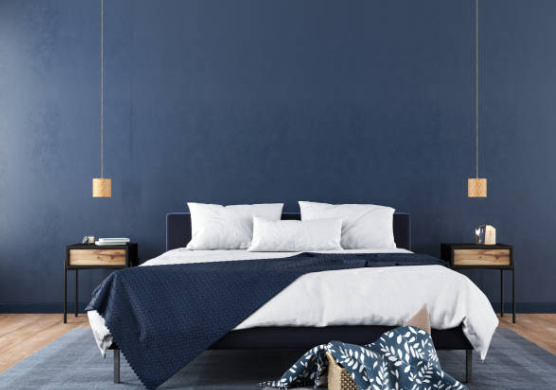
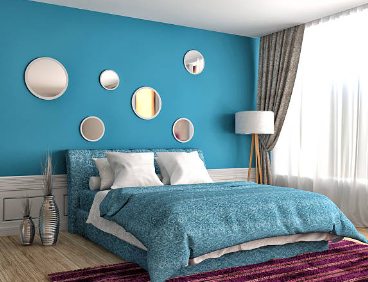
Among many colors, blue is widely recognized as the most suitable color for bedrooms. Sleep psychologist Su Peacock pointed out that blue can lower respiratory rate and heart rate, and has a natural calming effect. Research shows that people who use blue tones in their bedrooms generally have higher sleep quality. Designers recommend choosing light blue or soft blue-green colors, such as Benjamin Moore’s “Summer Shower 2135-60”, which can bring a sense of tranquility without making the space appear oppressive.
2、 Recommended Other Soothing Colors
Green: The Power of Natural Healing
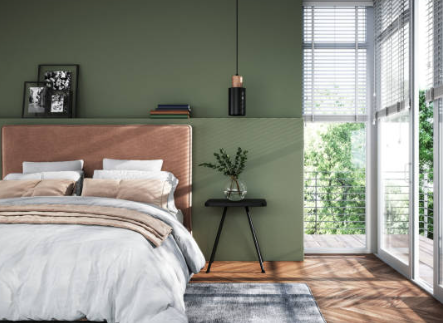
Green is closely connected to nature and can evoke relaxation emotions. Soft shades of gray green (such as Sagey SW 6175 from Sunway) or blue-green (such as Hollingsworth Green HC-141 from Benjamin Moore) can create a sense of tranquility as if you were in a forest. Designer Alice Qiu highly recommends the blue-green color scheme, believing that its freshness can make the bedroom appear more spacious.
Grey: a low-key sense of sophistication
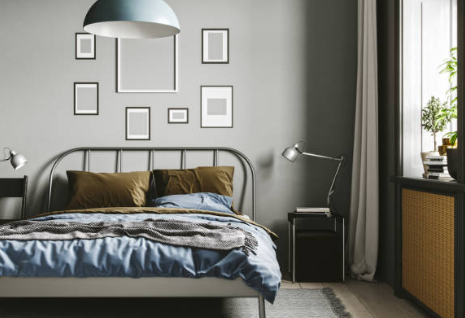
If paired properly, gray tones can also be an ideal choice for bedrooms. Blue or green gray (such as Benjamin Moore’s Gray Owl OC-52) can avoid monotony and bring a soft visual experience. Designer Linda Hayslet is fond of “grey beige”, believing that it can create a dreamy atmosphere like in Jane Austen’s novels.
Pink: Gentle Healing Style
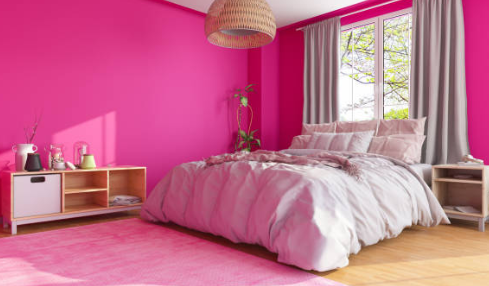
Pink is not just for children’s rooms, low saturation pink (such as Farrow&Ball’s Calamine 230) can bring a warm feeling like dusk. Designer Rebecca Atwood suggests that pairing with wooden furniture or greenery can make the pink bedroom both soft and stylish.
3、 Colors that require careful selection
Although personal preference is crucial, certain colors may interfere with sleep:
Red and orange: These high saturation colors can easily stimulate excitement and even trigger instinctive reactions of “fight or escape”, which is not conducive to relaxation.
Bright green and neon colors: Overly bright colors can stimulate the nervous system, especially at night, which may make it difficult for people to fall asleep.
Dark brown: Although it has a natural feel, it may cause anxiety and affect sleep quality.
4、 Creating personalized color schemes
When choosing bedroom colors, you may refer to the following matching inspirations:
Blue and Yellow Contrast: Bold deep blue walls paired with yellow soft furnishings, such as pillows or artworks, can balance the seriousness of cool tones and add vitality.
Wood color and light blue: Warm wooden furniture combined with soft blue walls creates a natural and warm atmosphere.
Green layering: Different shades of green items (such as curtains, bedding, decorative paintings) complement the green walls to create a harmonious forest style bedroom.
Ultimately, the choice of bedroom color should be people-oriented. If you have a special preference for a certain color, you can try it on a small scale or adjust the atmosphere through soft decoration. After all, a comfortable and relaxing sleeping space is the key to improving sleep quality.
https://www.dguilty.com/mastering-furniture-aesthetics-a-comprehensive-guide-to-materials-light-and-space/