
https://www.dguilty.com/mastering-furniture-aesthetics-a-comprehensive-guide-to-materials-light-and-space/
A person’s aesthetic sense is not reflected in “buying expensive things,” but rather in the perception of small but real details such as materials, textures, and tactile sensations.
The materials used in furniture are like the language of a space.
The warmth of wood, the restraint of metal, the stability of stone, and the softness of fabric—
these elements combine to create the unique tone and character of your home.
Furniture is not just a functional object; it reflects your lifestyle.
What are the materials used in the furniture?
Each material has its own personality:
| Material | Emotions and temperament | Common spatial atmosphere |
| solid wood | Warm, natural, lasting | Japanese, Nordic, wabi-sabi, refined modern |
| Metal | Sharp, rational, and efficient | Modern, minimalist, industrial style |
| Glass | Lightweight, transparent, and translucent | Small apartments, art spaces |
| stone | Calm and substantial | A touch of luxury, a modern mansion feel |
| Fabric/Leather | Soft, gentle, and comfortable | Home comfort style, gentle living feel |
Understanding materials = learning to express the “sentences” and “tones” of space.
Analysis of Popular Materials & Aesthetic Misconceptions
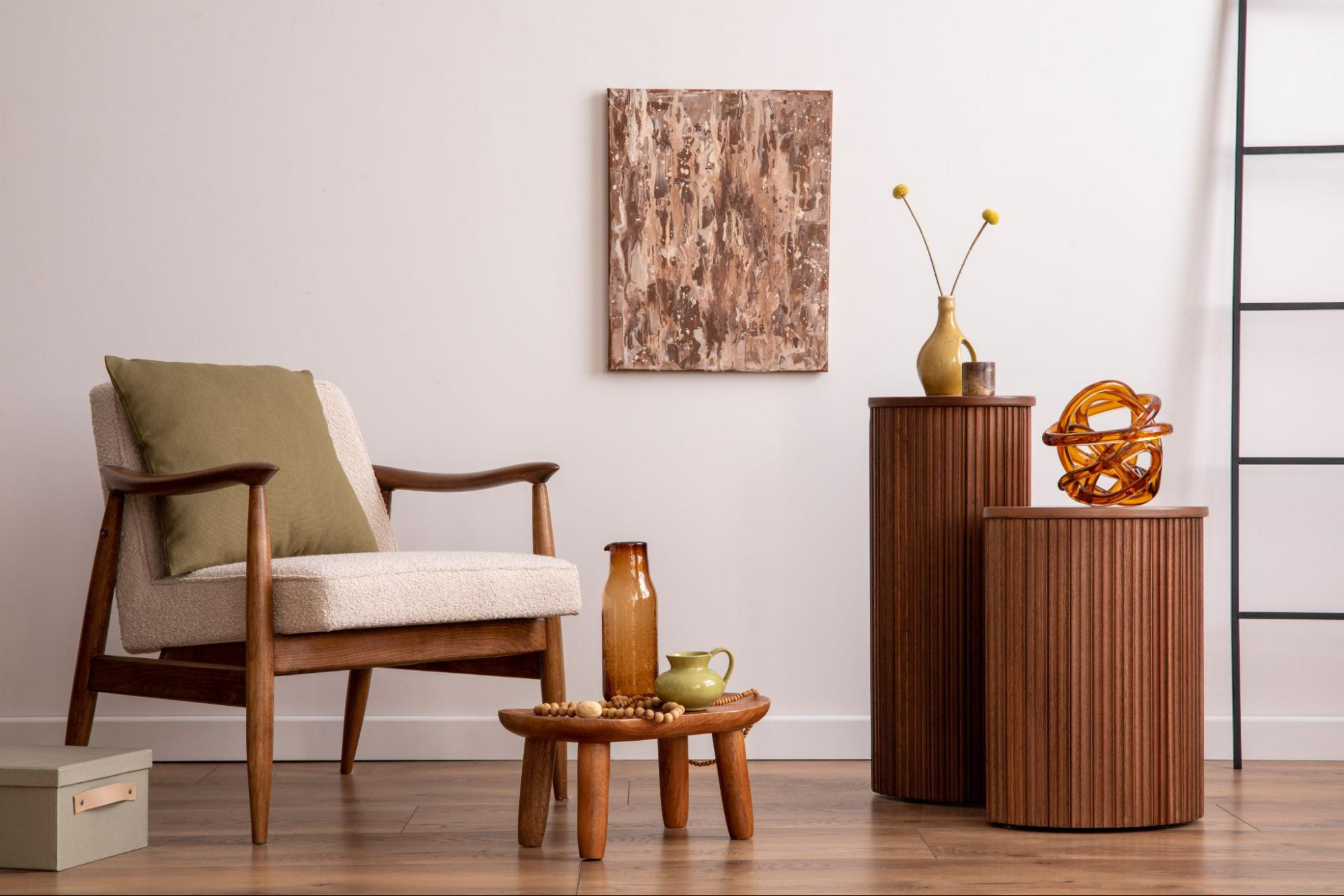
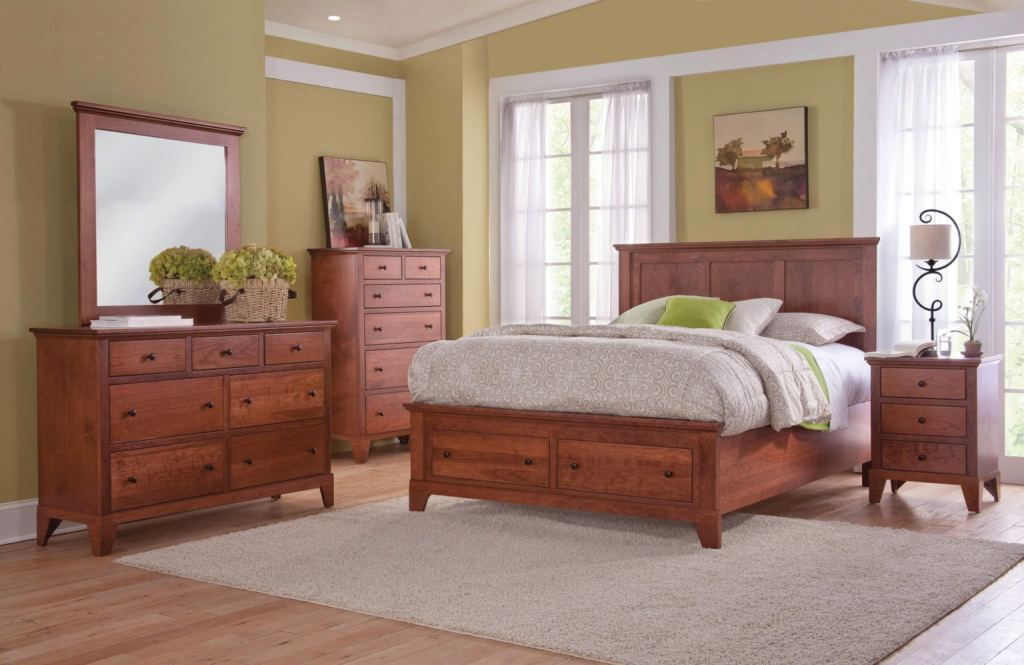
Solid wood ≠ a synonym for retro style
Many people think that solid wood is synonymous with heaviness and tradition.
In fact, it can be very light, restrained, and modern.
White oak + cotton and linen → Light and warm Japanese and Nordic style
Black walnut + brass → Refined modern understated luxury
Maple wood + large areas of white space → understated minimalism
The style is determined not by the wood itself,
but by the type of wood, its color, texture, and the coating treatment.
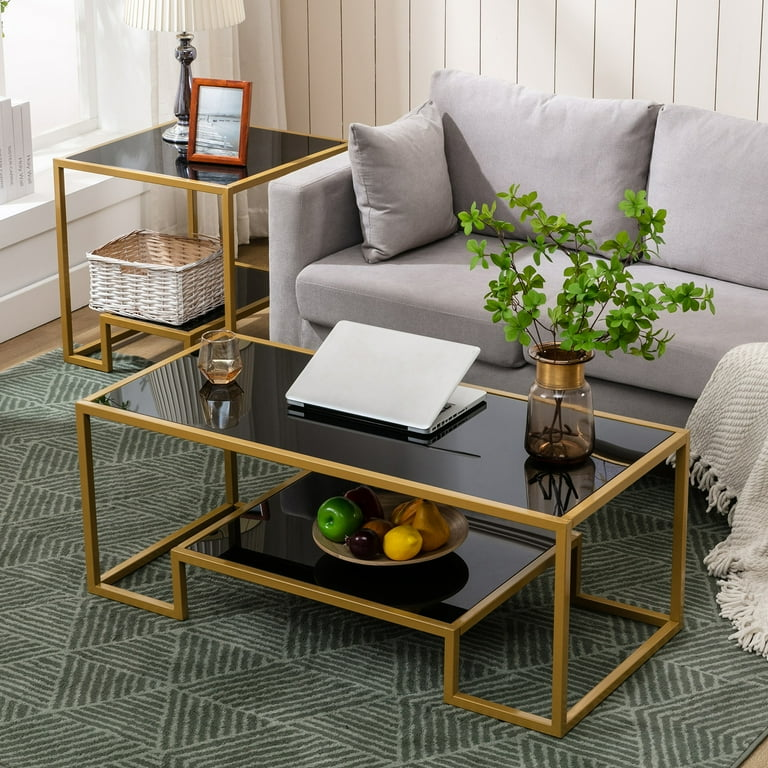
Metal and glass ≠ cold and without temperature
When used properly, it can actually make a space more dynamic.
The coldness of metal can be softened by using curved shapes and matte finishes.
The transparency of glass not only enlarges the space, but
also makes fluted/patterned glass a visual focal point.
The material isn’t “counteracting temperature,” but rather regulating emotional tension .
The scientific basis for material selection (not just for “looks”)
| Considerations | illustrate | For example |
| Durability | For frequently used furniture, choose materials with higher hardness. | Choose white oak or sintered stone for your dining table. |
| Environmental protection | Focus on the environmental protection level of the boards and the source of the wood. | E0 / ENF, FSC certification |
| tactile experience | Different materials affect the “physical feel” of living spaces. | Genuine leather gets better with use, and technical fabric is easy to care for. |
Most importantly: the material must match the “real lifestyle”—not
just look good, but be comfortable in the long run.
How to use materials to “express” your spatial aesthetics? — A 3-step strategy
① Determine the overall tone (choose only one material for the main character)
For example:
Want warmth → solid wood
; Want understated luxury → stone + metal;
Want relaxation → cotton and linen fabrics + natural wood.
② Create a sense of depth (using auxiliary materials to create “harmony”)
a base material plus one or two contrasting materials
prevents the space from being monotonous, but also avoids excessive expression.
③ Unity and finishing touch (using small-area elements to create a sense of “breathing”)
For example,
repeating brass handles, rattan textures, or a certain shade of gray throughout the house
can create a very sophisticated sense of “coherence” .
Conclusion: Material is the most honest expression of aesthetics.
Truly sophisticated aesthetics are not about showing off, piling on things, or chasing trends.
Rather, they are:
Understand the nature of materials,
respect them,
use them,
and let them complement your life.
The materials you use in your daily life
are essentially answering one question:
What do I want to feel when I come home every day?
https://www.dguilty.com/mastering-furniture-aesthetics-a-comprehensive-guide-to-materials-light-and-space/