
https://www.dguilty.com/mastering-furniture-aesthetics-a-comprehensive-guide-to-materials-light-and-space/
Have you ever purchased a piece of furniture that struck you as aesthetically pleasing , only to find after bringing it home that it’s lost some of that magic? It’s lost its sparkle and even looks a bit dull. The problem might not be the furniture itself, but rather your failure to engage another crucial “designer”: light and shadow .
Light and shadow are more than just a visual backdrop; they are the invisible force that brings furniture to life and defines the atmosphere of a space. Especially in modern homes, where high aesthetics and functionality are paramount, the application of light and shadow truly distinguishes mediocre from masterful furniture design aesthetics . Today, we’ll uncover the magic of light and shadow and teach you how to use them to amplify the aesthetics of your furniture .
1. The Secret Language of Light and Shadow: Reshaping the Form and Texture of Furniture
Light is the best sculptor. Its interaction with the surface of furniture directly affects our perception of it.
Geometric lines that emphasize the aesthetics of furniture design
A simple table or chair, when light hits it from a specific angle, will cast a clear geometric shadow on the floor and wall. This shadow boundary creates depth and drama, as if adding a “light and shadow clone” to the furniture. For example:
Light sharpening: Use directional spotlights (such as track lights) to “cut” the edges of furniture. This can emphasize the geometric beauty and structure of the furniture and is a common technique in modern furniture aesthetics .
Shadow Extension: Long shadows can visually stretch a space and give furniture a sculptural gravitas, elevating it from a practical tool to a piece of furniture art .
the texture of materials : a symphony of light and texture
The true beauty of a material often lies in light and shadow. The angle of light can amplify the aesthetic of wood rings, marble veins, leather grain, or velvet.
Raking Light: When the light is almost parallel to the surface, it stretches out tiny shadows, clearly showing all the texture details of the surface (such as the bumps and grooves of natural wood aesthetics ), making your furniture look more luxurious and deep.
Soft Light: Used on velvet or soft fabrics, it can evenly reduce highlights and shadows, creating a warm and soft home aesthetic atmosphere.
2. Lighting strategy: Use light to divide your aesthetic functional areas
In interior design, lighting is divided into three levels that are crucial to achieving a high level of furniture aesthetics .
Ambient lighting: setting the tone for furniture aesthetics
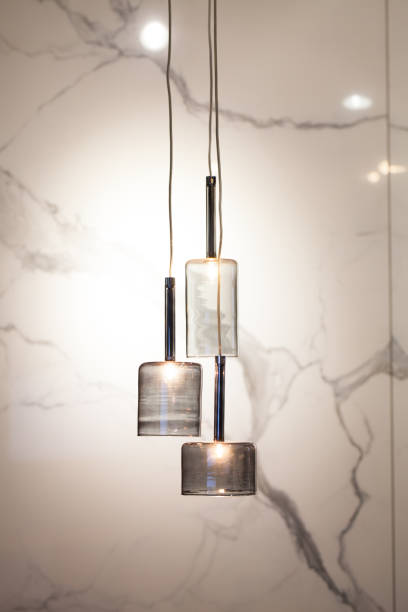
This is the overall lighting of a space, usually provided by ceiling lights or pendant lights. It determines the brightness and atmosphere of the space.
Choose a color temperature: Warm light (2700K-3000K) creates a warm, relaxing home aesthetic and is best suited for bedrooms and living rooms; cool light (above 4000K) creates a clear, focused feel and is suitable for kitchens and studios. The color temperature should be consistent with your furniture design aesthetic .
Task lighting: practical light that serves aesthetic functions
Lighting that focuses on specific activity areas, such as table lamps, reading floor lamps. The primary purpose of task lighting is practicality, but the lamps themselves are also part of the art of furniture .
Design principle: The floor lamp or table lamp should perfectly match the furniture it serves (such as sofa, desk) in height and proportion, and its shape and material itself is an extension of the furniture aesthetics .
Accent Lighting: Spotlights that Highlight Furniture Art
This is the heart of the magic of light and shadow. Accent lighting is designed to draw the eye and highlight a focal point in a room, usually a single piece with a strong furniture aesthetic .
Use spotlights or track lights to illuminate a sculptural piece of furniture art , a hanging painting, or a solid wood cabinet with a unique texture. This type of lighting not only enhances the visual impact of the illuminated object, but also makes the surrounding furniture appear more layered.
3. Dynamic Light and Shadow: The Temporal Dimension of Furniture Aesthetics
Light and shadow change dynamically. Only by knowing how to utilize this change can we truly unlock the highest realm of furniture aesthetics .
The use and reflection of natural light
There is no light and shadow design more moving than natural light.
Choose reflective surfaces: Place mirrors, high-gloss finishes, or light-colored furniture near windows to maximize the reflection of natural light, thereby illuminating and amplifying your small space furniture aesthetic .
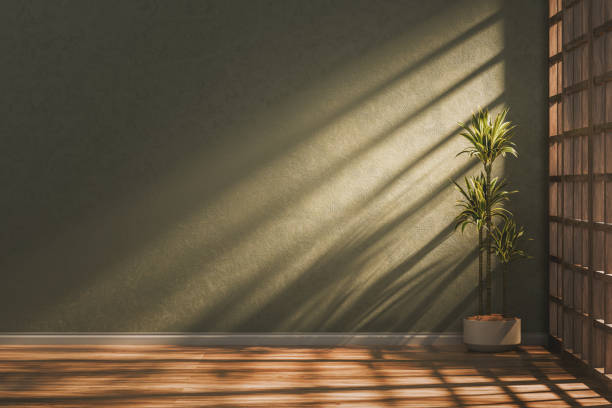
Translucent media: Use media such as tulle and blinds to “filter” natural light, casting soft, ever-changing shadow patterns in the room, adding vitality to the home aesthetic .
“Night Mode” in Furniture Aesthetics
At night, your furniture should take on a completely different vibe than it does during the day.
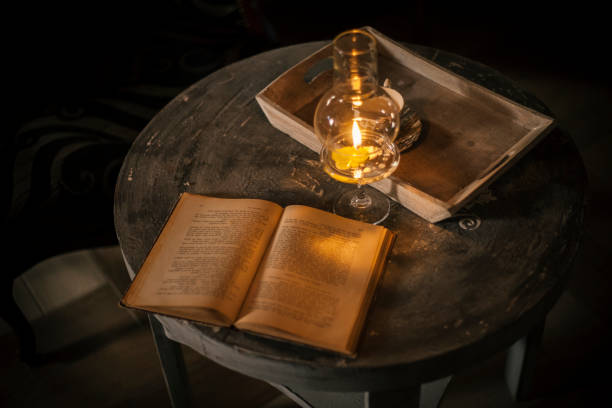
Layered stacking: Turn off the dazzling main light and use only table lamps, floor lamps and decorative light strips. This combination of multiple light sources can create rich layers and shadows, creating a private and relaxing aesthetic functional atmosphere.
Conclusion: Let light and shadow become your exclusive designer
Light and shadow are a cost-free, high-reward tool for enhancing furniture aesthetics . It can make an ordinary piece of furniture look high-end, or it can make an expensive piece of furniture art look dull in the wrong light. The next time you evaluate a piece of furniture, consider how it works with the light in your space.
Mastering light and shadow is the ultimate secret to home design. Now, step outside, stand in front of your sofa, turn off the overhead lights, and flick on a floor lamp. Have your furniture aesthetics truly completed their nighttime transformation? Share your favorite light and shadow design examples below!
https://www.dguilty.com/mastering-furniture-aesthetics-a-comprehensive-guide-to-materials-light-and-space/