

https://www.dguilty.com/a-comprehensive-guide-to-japanese-minimalist-aesthetics-for-your-home/
Minimalist interior design takes “less is more” as its core concept, creating a pure, peaceful, and textured living environment through restrained colors, simple lines, and functional layouts. It is not only a design style, but also an attitude of pursuing authenticity and returning to the essence of life. The following analyzes the essence of minimalist design from the aspects of color matching, spatial layout, material selection, and natural element fusion.
1、 Neutral color tone
The minimalist color system is dominated by neutral colors, with soft tones such as white, gray, and beige serving as the tone of the space. These colors can create a peaceful and soothing atmosphere, while providing versatile backgrounds for furniture and decoration. For example, a large area of white walls paired with light gray flooring not only maintains the purity of the space, but also enhances the sense of hierarchy through subtle changes in depth. If you want to add vitality, you can add a small amount of low saturation colors to a neutral tone, such as light blue fabric sofas or dark brown wooden furniture, which can break monotony while maintaining overall harmony.

2、 Subtractive layout
Minimalism emphasizes the openness and functionality of space. Open layout is a common technique that creates transparency by breaking down partitions, allowing light and view to flow freely. Furniture selection should be based on simplicity and practicality, avoiding redundant designs. For example, choosing a low modular sofa in the living room, paired with a geometric shaped coffee table, not only meets daily use, but also enhances the simplicity of the space with restrained lines. At the same time, attention should be paid to “blank space” design, such as reducing wall decoration and simplifying ceilings, making the space appear lighter.

3、 Natural materials
Minimalism is not about cold design, but about infusing space with temperature and texture through the integration of natural materials. Wood furniture, cotton and linen fabrics, natural stone and other materials can add a natural atmosphere to minimalist spaces. For example, choosing wooden bed frames and wardrobes in the bedroom, paired with plain cotton and linen bedding, not only maintains simplicity but also conveys a warm touch. In addition, introducing natural elements such as green plants or dried flowers, such as large turtle backed bamboo in the corner of the living room or small succulent plants in the study, can inject vitality into the space and make the minimalist style more approachable.
4、 Light and Shadow Design
Light is an important element of minimalist design, as it can soften spatial lines and create different atmospheres. Natural light is the preferred option, introducing sunlight through large-sized windows to make the space appear bright and transparent. If artificial lighting is required, choose simple lighting fixtures such as linear chandeliers or hidden light strips, which can meet functional requirements without compromising the simplicity of the space. For example, embedded LED light strips in the kitchen can provide sufficient lighting while maintaining the neat appearance of the cabinets.
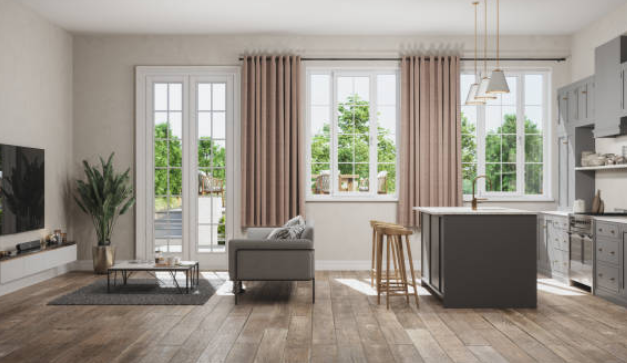
Minimalism is a deep reflection on life
Minimalist design is not only about visual simplicity, but also about precise refinement of life needs. Through the use of neutral tones, the planning of subtractive layouts, the integration of natural materials, and the clever design of light and shadow, minimalist spaces have become a habitat for modern people to escape from noise and return to their inner selves. It teaches us that true luxury lies not in intricate decorations, but in the purity of space and the authenticity of life. In the world of minimalism, every detail tells the philosophy of ‘less is more’, allowing us to discover the infinite possibilities of life in simplicity.
https://www.dguilty.com/a-comprehensive-guide-to-japanese-minimalist-aesthetics-for-your-home/