
https://www.dguilty.com/a-comprehensive-guide-to-japanese-minimalist-aesthetics-for-your-home/
In this fast-paced era, more and more people are beginning to yearn for a simple and peaceful lifestyle. Japanese minimalist furniture, with its unique wabi-sabi aesthetics, provides us with a home solution to return to the essence and find inner peace. Today, let’s explore how to use Japanese minimalist furniture to create a home space full of healing energy.
Understanding wabi-sabi aesthetics: imperfect perfection
Wabi-sabi is an important concept in traditional Japanese aesthetics, which emphasizes finding beauty in imperfection and feeling richness in simplicity. This philosophy deeply influences the design concept of Japanese furniture:
Natural materials: the use of natural materials such as logs, bamboo, rattan, and Japanese paper
Handmade traces: retain the natural texture of the wood and traces of handmade production
Low-key colors: mainly neutral colors such as off-white, light gray, and log color
Asymmetrical design: breaking symmetry and pursuing natural and casual beauty
Four core elements of Japanese minimalist furniture
1. Low furniture: a lifestyle close to the ground
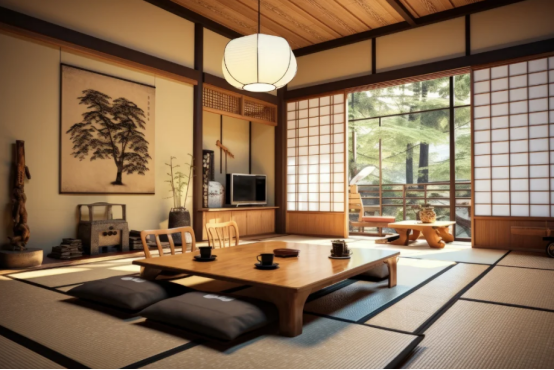
Low coffee tables, cushions, and beds are common in Japanese homes. This design not only saves space, but also allows people to relax naturally when sitting down, creating a sense of security that is “grounded”.
Recommended items:
Tatami platform
Low-legged coffee table
Futon cushion
2. Multifunctional storage
Japanese storage emphasizes “hiding eight and revealing two”. Most items are cleverly stored, leaving only a small amount of decorations for display. This design makes the space look neat and breathable.
Practical tips:
Choose a low cabinet with drawers
Use a wardrobe with shoji doors (sliding doors)
Install a niche display stand on the wall
3. Natural light
Japanese-style spaces pay special attention to the introduction of natural light, and use translucent materials such as shoji paper doors and gauze curtains to make the sunlight soft and layered.
Light and shadow magic:
Choose translucent and opaque Japanese paper lamps
Use blinds to adjust the light angle
Set up a reading corner by the window
4. The art of leaving blank space: less is more
Japanese-style spaces emphasize the concept of “Ma”, that is, appropriate blank space. The number of furniture is small and refined, leaving enough space for activities and thinking.
Practical suggestions:
Keep more than 30% of the ground blank
Do not decorate the walls
Keep a proper distance between furniture
Five steps to create a healing space
Determine the tone: choose light wood color or white as the main color
Select furniture: Invest in 2-3 high-quality solid wood furniture
Soft lighting: match with warm indirect lighting
Natural embellishment: add green plants or dried flowers for decoration
Texture level: create a rich touch through the combination of different materials
Daily maintenance
Wipe solid wood furniture regularly with a slightly damp soft cloth
Avoid direct sunlight that causes wood to fade
Perform “Datsu-shari” once a month to keep the space fresh
Use natural wood wax oil to maintain the surface of furniture
In this stressful era, a Japanese home space full of wabi-sabi aesthetics is like a spiritual haven. It does not require expensive decorations, just a few carefully selected minimalist furniture to create a relaxing and healing atmosphere. Remember, the real Japanese aesthetics is not about pursuing perfection, but about appreciating the simple, imperfect but real beauty in life.
https://www.dguilty.com/a-comprehensive-guide-to-japanese-minimalist-aesthetics-for-your-home/